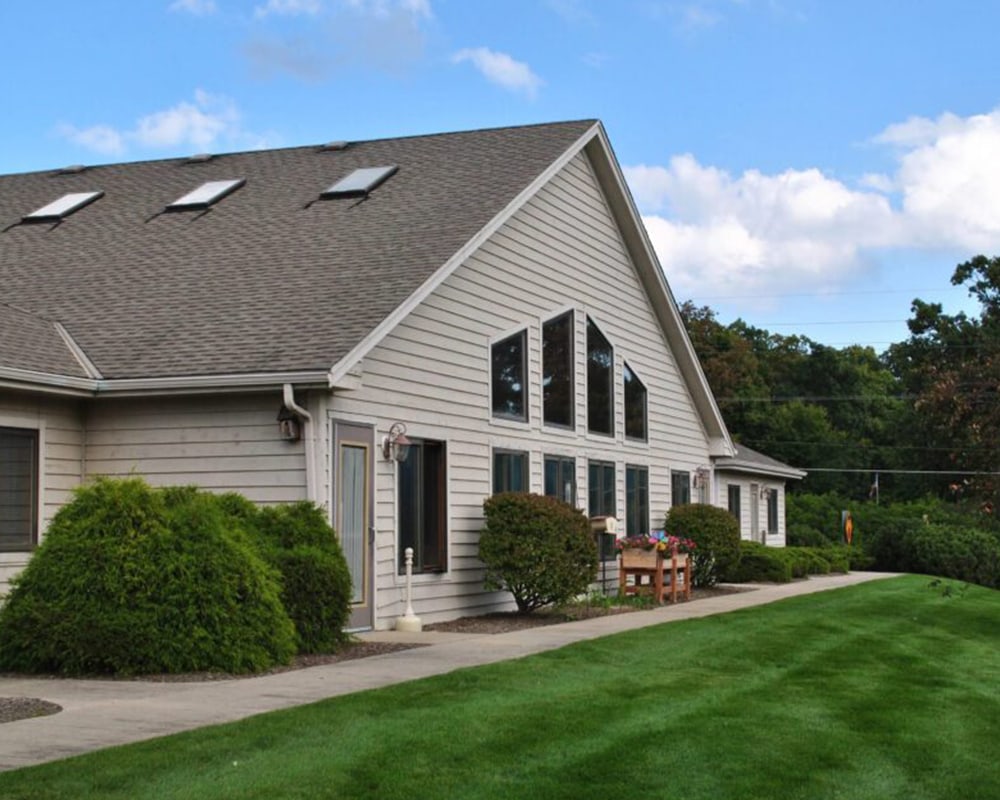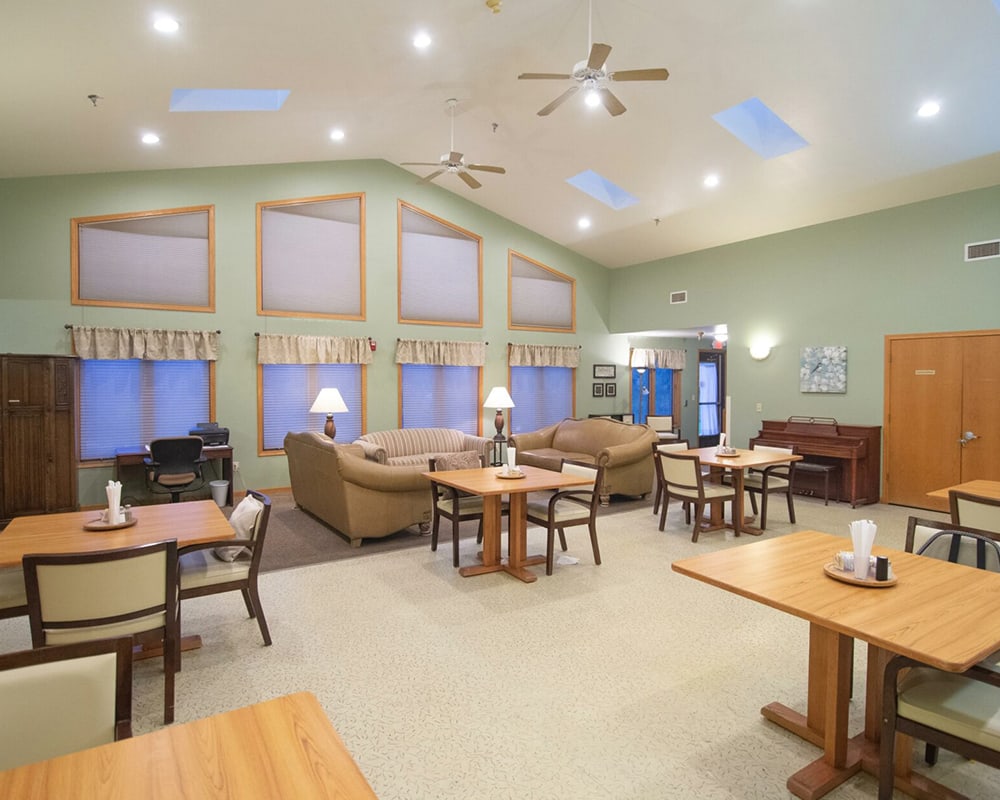

Many families wrestle with uncertainty when it comes to care decisions. You want to respect your loved one’s independence, but you may also notice signs that suggest they need more help than before.
When your loved one faces increasing challenges with everyday life, health, or isolation, recognizing these signs can be a thoughtful first step in understanding when they may need additional support and what options are available.
Assisted living offers older adults a supportive living arrangement that strikes a balance between independence and personalized care.
What Is Assisted Living?
Assisted living provides a residential solution for older adults who need support with daily activities while maintaining an active and independent lifestyle. It bridges the gap between fully independent living and more comprehensive care settings. Common features include:
- Personalized care tailored to individual needs
- Healthcare coordination to help manage ongoing conditions
- Therapy & medication support to assist with daily wellness
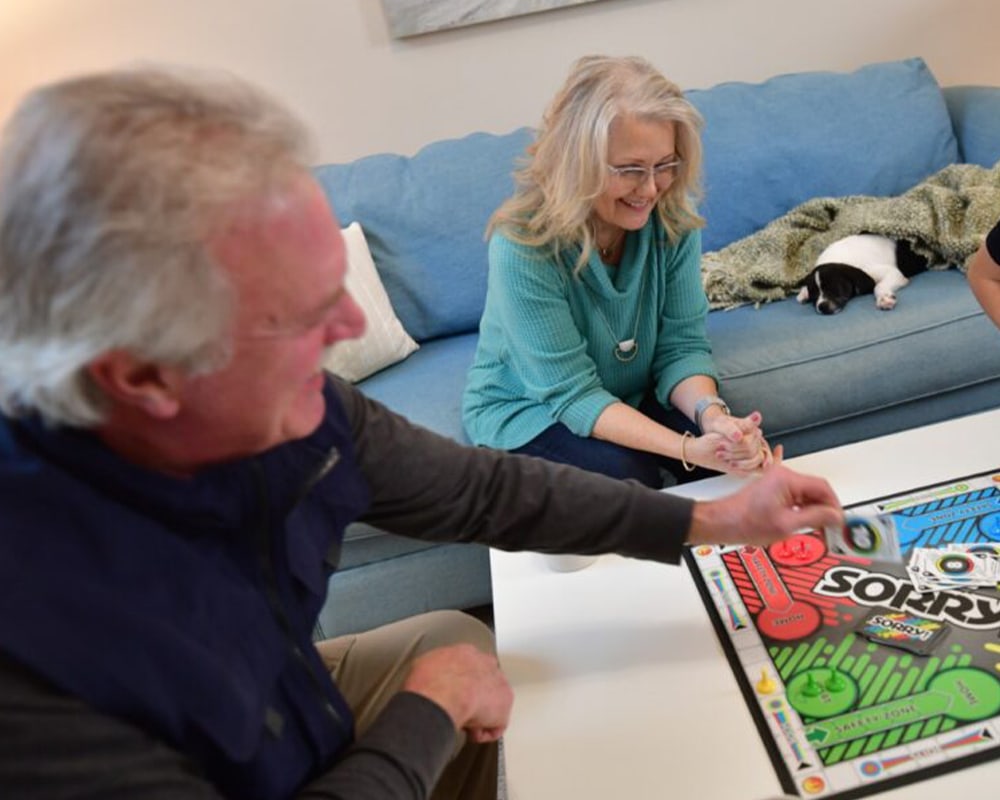
- Engaging activities that promote connection & mental stimulation
Assisted living can provide a safe and supportive environment while respecting each resident’s autonomy.
4 Signs Your Loved One Might Be Ready for Assisted Living
We know that each senior is an individual, and what enhances their life is personal.
However, there are 4 four common indicators that often suggest a move to assisted living could be a positive step for aging adults: a noticeable decline in managing daily activities, increased worries about safety, growing healthcare needs, and experiencing isolation.
Changes in Daily Living Activities
A noticeable decline in managing basic day-to-day tasks—like bathing, dressing, preparing meals, or moving safely around the home—can be one of the earliest signs. These are known as activities of daily living (ADLs). Signs might include:
- Neglecting personal hygiene
- Wearing the same clothes for several days
- Money mismanagement (unexpected purchases, forgetting bill payments)
- Difficult eating or preparing nutritious meals
In an assisted living setting, residents receive help with these activities while maintaining a sense of routine and dignity.
Increased Fall Risk
Falls can have serious physical and emotional impacts. If your loved one has recently fallen, appears unsteady, or avoids moving around due to fear, it may be time to consider a safer environment. Assisted living communities are often equipped with:
- Grab bars in key areas
- Non-slip flooring
- On-site staff to respond to emergencies
These features help lower the risk of falls and enable prompt assistance when needed.
Rising Healthcare Needs
Managing medications, attending frequent appointments, or recovering from repeated hospital visits can become overwhelming. Common signs of increased healthcare needs include:
- Confusion about medications or missing doses
- Trouble managing chronic conditions
- Difficulty following through with treatment plans
Staff at assisted living communities can provide health-related support and coordination, helping residents stay informed about their care plans and overall well-being.
Isolation & Social Withdrawal
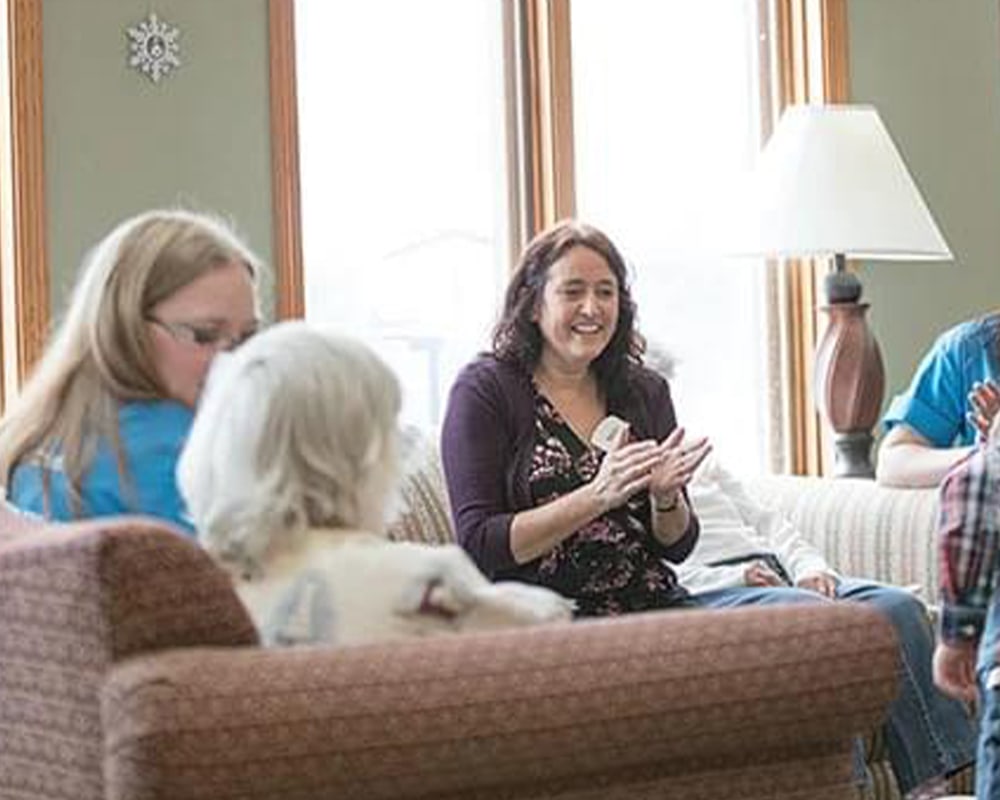
Limited social interaction can negatively impact mental and emotional health. If your loved one is staying home more, avoiding social gatherings, or no longer enjoying their usual hobbies, they may be experiencing isolation. Assisted living communities offer opportunities for:
- Group activities & events
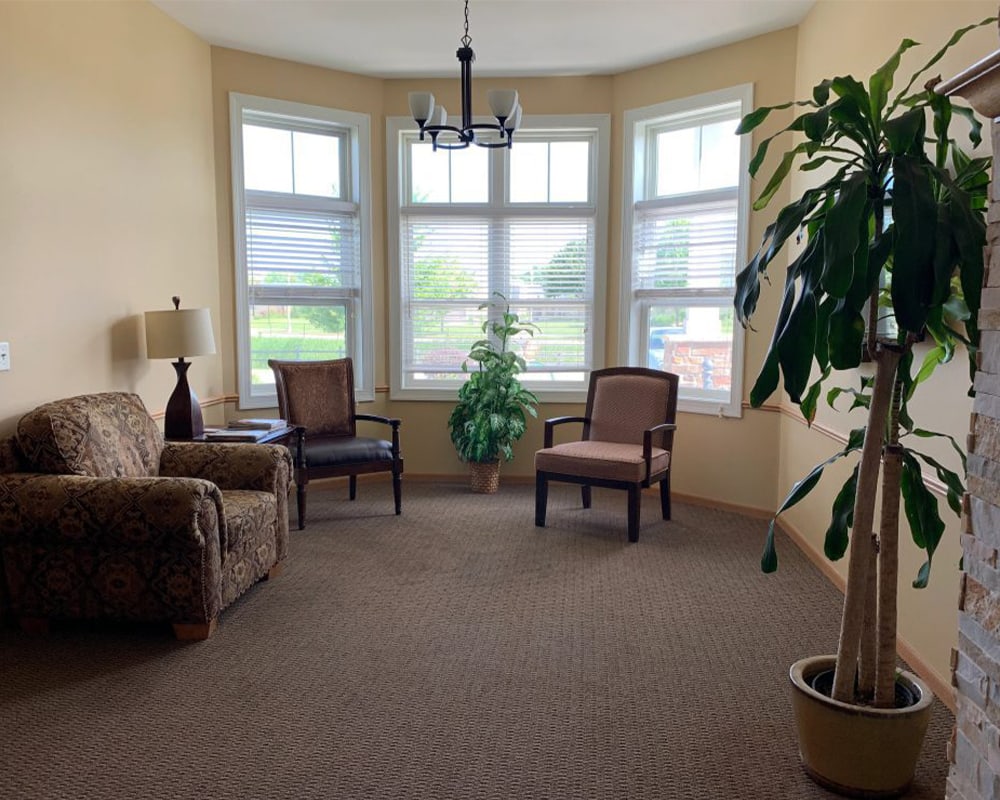
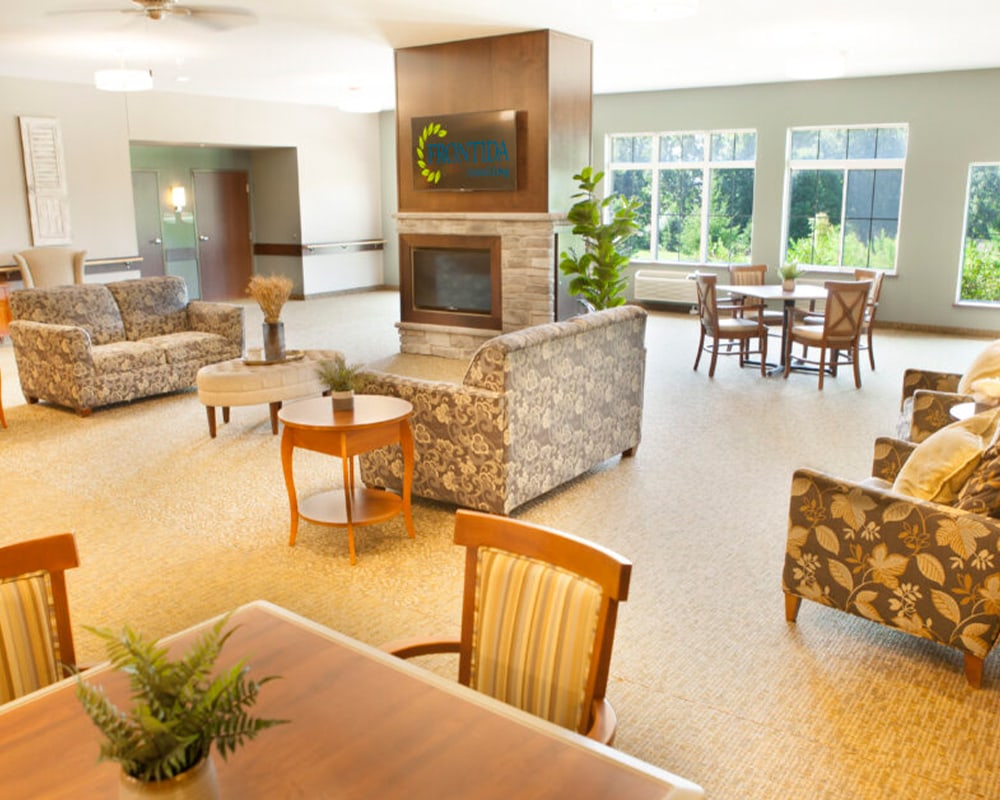
- Shared meals & communal spaces
- A steady rhythm of social interaction
The community structure can help older adults stay connected and engaged with others.

Talking About Assisted Living With Your Loved One
Opening a dialogue about assisted living can be a sensitive topic. It is essential to approach the conversation with care and empathy. Consider the following tips:
- Lead with their needs & preferences
- Focus on how this change could improve their lifestyle and comfort
- Discuss the benefits calmly
- Talk about the ways assisted living might reduce stress & provide an improved balance of support & independence
- Visit communities together
- Touring a community like one of Frontida Senior Living’s communities can make the idea more tangible & less intimidating
- Include other family members
- A collective conversation often adds support & shared perspectives
The goal is to work together toward a solution that respects your loved one’s voice while addressing their evolving needs.
Addressing Common Concerns About Assisted Living
It’s normal for older adults—and their families—to have concerns about this transition. Here are a few you may encounter.
Loss of Independence
Many worry that moving to assisted living means giving up control. However, these communities are designed to support residents only where needed. People still choose their routines, activities, and level of involvement.
Financial Considerations
Costs can be a concern. It’s worth reviewing all options, including benefits like veterans’ programs or financial guidance offered by the community.
The benefits and peace of mind that assisted living offers might, in the long run, be more valuable than the initial costs. Transparency around pricing can help you make informed decisions.
Quality of Care
Families often wonder about the care their loved one will receive. At communities like Frontida Senior Living, care plans are personalized and delivered by trained staff, promoting comfort and well-being in a respectful, professional setting.
Preparing for the Transition
Helping your loved one transition smoothly can make a big difference. A few practical steps:
- Create a moving checklist that outlines key logistics like downsizing, organizing paperwork, & coordinating the move
- Pack thoughtfully, including personal & familiar items to create a sense of comfort, continuity, & connection
- Stay involved with frequent visits & participation in community life to help ease the adjustment period
A thoughtful approach helps your loved one feel supported as they begin their new chapter.
Preparing for the Transition
Choosing assisted living is a significant decision. Yet, it can be a crucial step toward enhanced safety, increased connection, and overall improved well-being.
Communities like Frontida Senior Living offer a supportive environment designed to meet the changing needs of residents while honoring their independence.
When you’re ready to learn more, schedule a tour at one of Frontida Senior Living’s communities. Our team is available to walk you through your options and answer questions along the way.